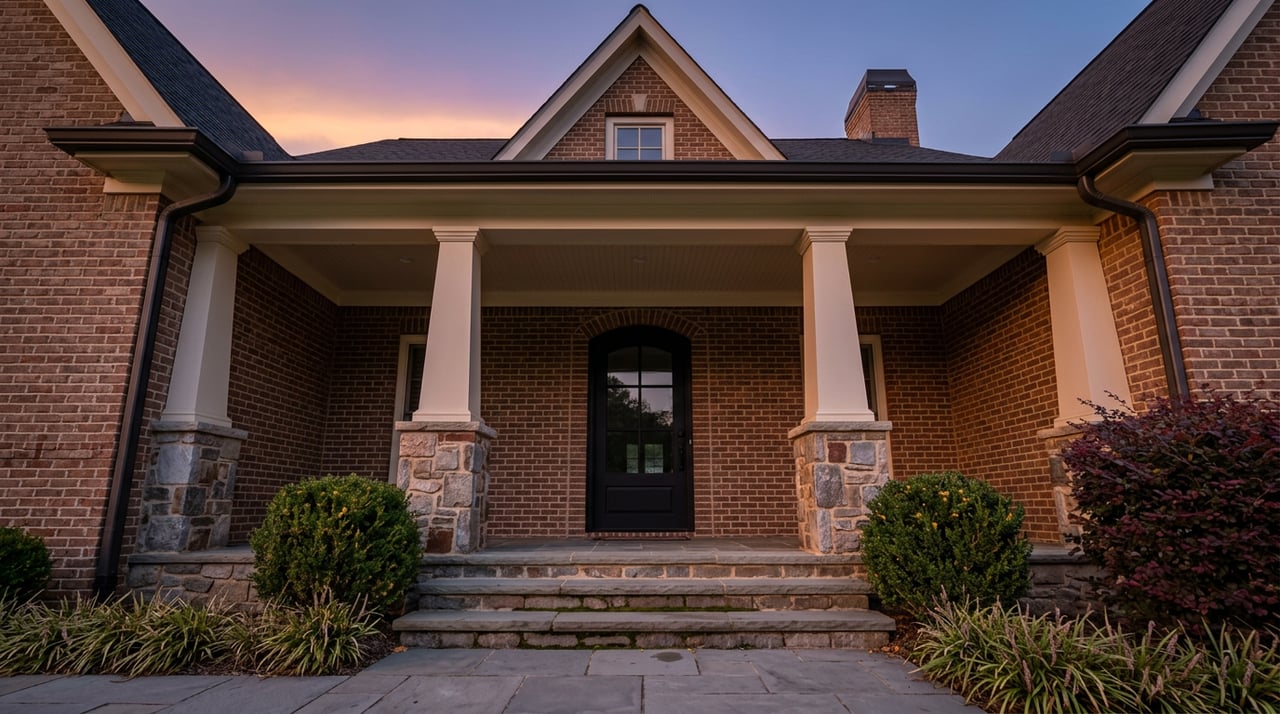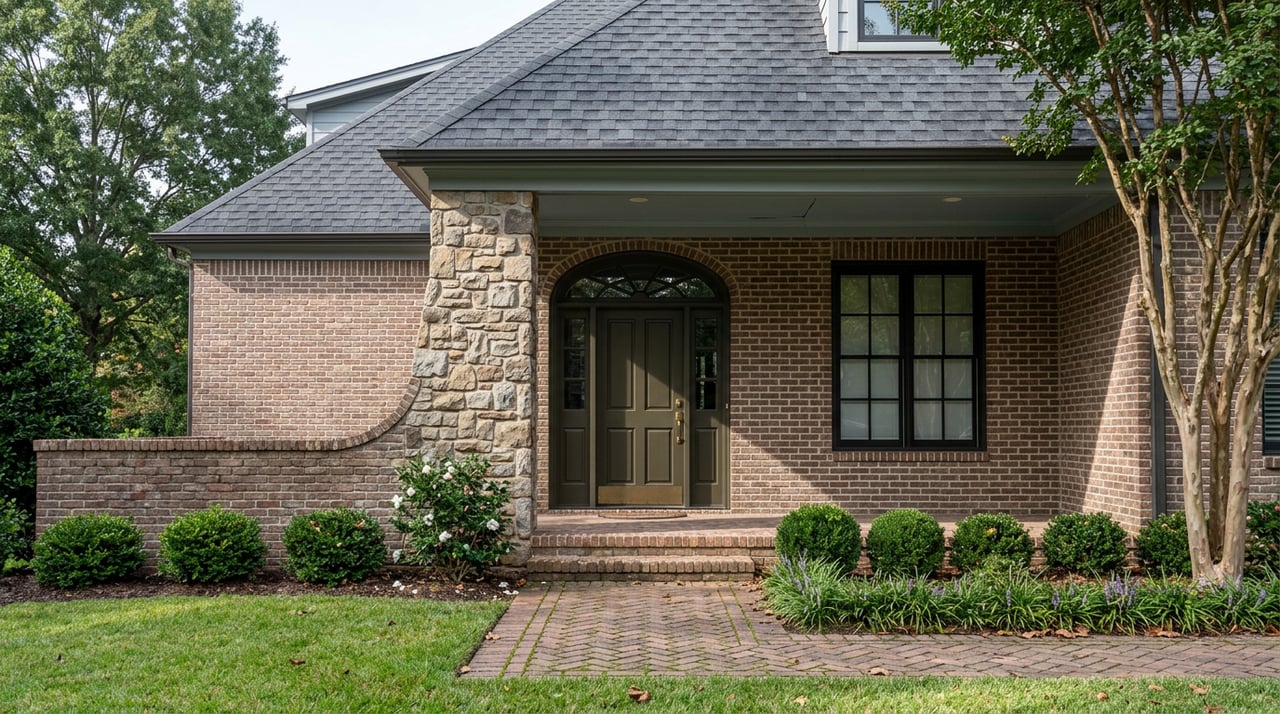
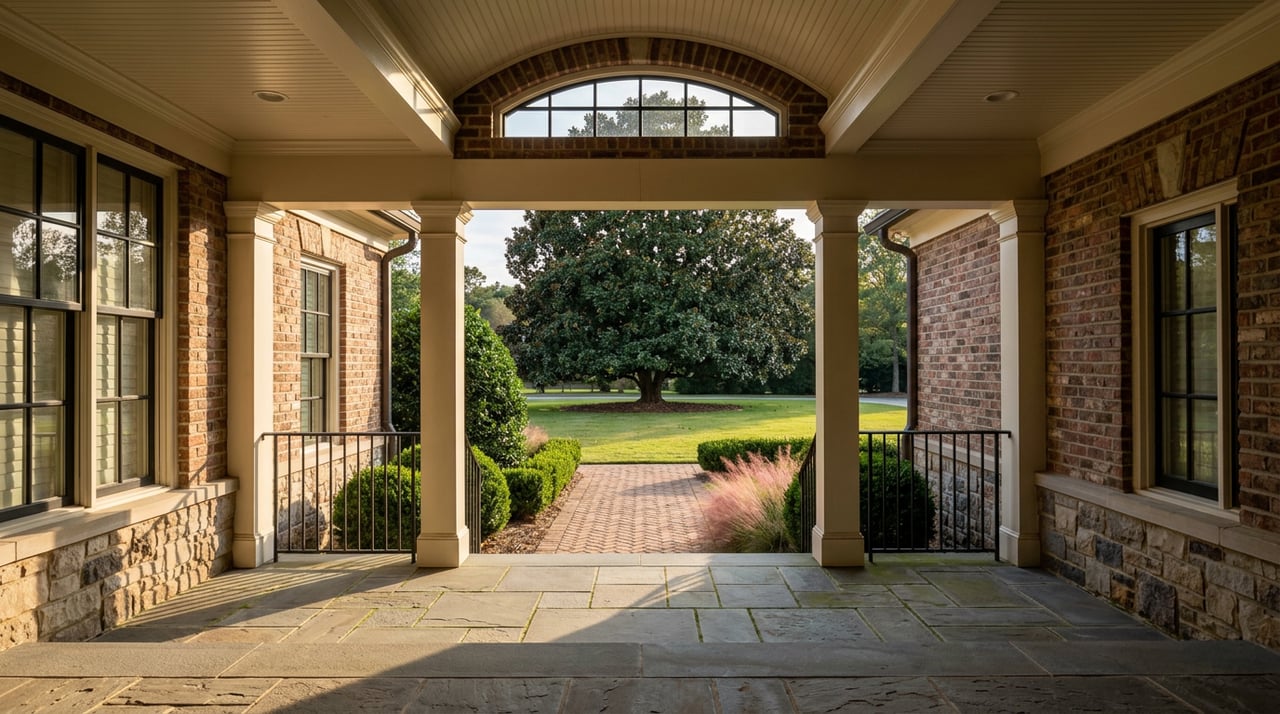
A buyer closes on a lakefront home in Cornelius. The photos showed a covered dock. The listing sheet noted a boat lift. Everyone assumed the dock came with the house the way the kitchen island did.
Then Duke Energy's post-closing inspection turns up a problem. The dock on paper and the dock in the water don't match. A prior owner had removed a covered structure from the original permit and never told anyone. The new owner, who never touched that dock, now owns the cost of fixing it.
This is not a rare fluke on Lake Norman. It is a structural feature of how waterfront ownership works here, and it is the reason a Cornelius waterfront listing can carry a price tag that looks nothing like the house alone would justify. The dock is not an amenity that transfers with the deed. It is a separate legal structure sitting on land Duke Energy owns, governed by its own approval, and as of this summer, the path to confirming that approval has gotten more complicated for a specific kind of buyer.
The Permit Lives on Duke's Land, Not Yours
Lake Norman is not a natural lake. Duke Energy built it as a hydroelectric reservoir and manages the shoreline under a federal license. Your property line as a waterfront owner ends where the lake's full pond elevation sits, often called the 760 line. Everything below that line, your dock, your boat lift, any seawall or shoreline stabilization, technically exists on Duke's property, not yours.
That single fact changes what "waterfront home" means as a transaction. The house is conveyed by deed at closing like any other property. The dock is conveyed by permit, and permits are issued to a person or entity, not automatically passed along with a sale. If the seller never formally transferred the permit into their own name after their own purchase, the paperwork trail can stall right when a buyer needs it most.
Duke's Lake Services team, reachable at [email protected] or 800-443-5193, can confirm whether a dock's paperwork is current. But they will only release records to whoever the permit is actually filed under. If that's three owners back, the seller has to initiate a transfer before anyone can see whether the dock in the water matches what was ever approved.
The Point Owners Association's own guidance to residents puts it plainly: if a structure differs from what was originally permitted, that's treated as a compliance issue, and the expectation falls on whoever owns the property at the time it's discovered. Not the seller who caused it. The current owner.
What Different Cornelius Price Tags Are Actually Buying
This is where the dock question stops being a technicality and starts explaining the market. Cornelius listings this month show a median around $525,000 with roughly $265 per square foot, a fairly ordinary suburban Charlotte number. But that figure describes a very different product than what's for sale a few minutes away on Jetton Road.
| Segment | Price point | Time window |
|---|---|---|
| Cornelius citywide median | ~$525,000 | September 2026 |
| Lake Norman waterfront homes (broad market) | $2,364,000 median | Q1 2026 |
| The Peninsula waterfront listings | $2.69M median asking | May 2026 |
| New-construction record, Regatta Island Drive | $18,999,000 | Listed July 2026 |
Square footage explains part of that spread. It does not explain all of it. A large part of the gap between a $525,000 Cornelius resale and a multimillion-dollar Peninsula estate is the dock rights attached to the parcel: whether a covered structure is allowed, how many slips the permit authorizes, whether the shoreline classification permits expansion, and whether the paperwork proving all of that is clean and transferable. Two homes with identical square footage and nearly identical lake frontage can carry very different values once one of them comes with a fully documented, compliant dock and the other comes with a question mark.
Buyers shopping by price per square foot alone are pricing the house. They are not pricing what they're actually acquiring at the water's edge.
The Rule That Changed This Summer
Effective July 1, 2026, Duke Energy stopped reviewing private dock applications on lots where no home has been built yet. This applies across all Duke Energy lakes, Lake Norman included, and it does not apply to shoreline stabilization work, only to new private dock permits.
For a buyer eyeing an existing waterfront home, this changes little. The dock, if one exists, was already reviewed under the old process. But for anyone considering one of the remaining vacant waterfront lots in communities like The Peninsula, the order of operations has flipped. Before this summer, a careful buyer could get Duke's feasibility read on a proposed dock before committing to build. Now that confirmation doesn't come until after the house exists.
That means the risk on vacant land moves later in the timeline, not away from it. A buyer who assumes a lot is "dockable" because a neighboring parcel has a dock is making a bet that only gets tested after construction is underway. For a purchase decision built partly on lake access, that is a meaningfully different level of certainty than buyers on this lake had a year ago.
Five Things to Verify Before You Write the Offer
For an existing home with a dock already in place, due diligence still runs on a knowable checklist. It just has to happen before the option period closes, not during it.
- Confirm the permit is currently in the seller's name. If it isn't, a transfer has to be initiated before Duke will release records, and that step can add weeks that need to be built into the contract timeline.
- Request the recorded permit, the site plan, and a photo of the physical permit plate on the dock itself. The plate confirms a permit exists. Only the paper confirms whether what's built matches what was approved.
- Match the permit against the listing details. Slip count, lift capacity, whether a roof or cover is authorized, and total dock length are the fields most likely to have drifted from what's actually in the water.
- Ask directly whether any modifications have happened since the original approval, and whether those modifications were separately permitted. A seller who can't answer this clearly is handing you an open question, not a clean transfer.
- If the listing promises room to expand the dock, treat that as a claim to verify, not a fact to rely on. Lake Norman docks are capped at 120 feet with a one-third-of-cove limit and navigation clearances that apply regardless of what a listing description implies.
None of this is exotic. It is the same standard of care a buyer would apply to a septic system or a roof. The difference is that dock paperwork sits with a utility company, not the county, and most home inspectors never touch it.
Why This Matters More in Cornelius Than Elsewhere on the Lake
Cornelius sits on the Mecklenburg County side of the lake, which layers additional county zoning review on top of Duke's approval in a way that Iredell County communities like Mooresville sometimes don't encounter as often. That extra layer doesn't make a Cornelius dock harder to get approved. It does mean there are more places for paperwork to be incomplete, which is exactly the kind of detail that only surfaces once someone goes looking for it.
Cornelius also carries a concentration of the lake's oldest and newest waterfront inventory side by side. Established communities like Jetton Cove and Pointe Regatta have docks that have been in place for two decades or more, some of them modified more than once along the way. Newer estates going up in The Peninsula and Patrick's Purchase are being built under the current rules from day one. A buyer comparing a resale against new construction in the same zip code is really comparing two very different permit histories, even if the listing photos look similar.
A Few Questions Worth Asking Directly
Does an HOA covenant override Duke's dock rules? No. HOA covenants can be stricter than Duke's requirements, but they can't substitute for Duke's approval. A dock that satisfies the HOA still needs its own valid Duke permit.
How long does a permit transfer typically take? Duke's own review of a standard private dock runs roughly four to twelve weeks. A straightforward name transfer on an already-compliant dock moves faster than that. Anything involving dredging, a covered structure, or wetland impact extends the timeline into months, so this is worth sequencing into the contract early rather than discovering it during the option period.
Can a grandfathered dock lose that status? Yes. Older docks built under previous rules can carry grandfathered status, but that status doesn't survive certain modifications or transfers if the structure no longer matches what was originally approved.
Buying on Lake Norman is still one of the clearest ways to get the lifestyle so many Cornelius buyers are chasing: mornings on the water, a boat a few steps from the back door, sunsets that don't require a drive anywhere. The dock just needs the same scrutiny as everything else attached to the price. Get that piece right before you write the offer, and the rest of the transaction moves the way it should.
If you're weighing a waterfront purchase in Cornelius or anywhere else along Lake Norman, LUXE Realty Group can walk the permit history with you before you're locked into a contract. Start Your Lake Life — Schedule a Consultation.