
A Sherrills Ford lake home can offer the lifestyle you want and the long-term rental income you hope for, but only if you look past the view and study the details. If you are buying with one eye on future leasing, it helps to know that waterfront ownership often comes with more rules, more maintenance, and more moving parts than a typical inland home. This guide walks you through the key long-term rental considerations for Sherrills Ford lake homes so you can plan with more confidence and fewer surprises. Let’s dive in.
Start With the Regulatory Basics
If you plan to use a Sherrills Ford lake home as a long-term rental, North Carolina landlord-tenant rules set the baseline. The state requires landlords to keep rental units in good and safe working order and comply with applicable state and local codes. That means your rental budget should include realistic maintenance costs, timely repairs, and good recordkeeping.
For lake homes, the legal picture usually goes beyond the lease itself. A property may also be affected by zoning, restrictive covenants, owners’ association rules, and transfer-related fees or disclosures. In North Carolina, sellers must disclose certain land-use restrictions and covenant-related details that can affect how practical the property is as a rental and how marketable it may be later.
Review HOA and Covenant Rules Early
In Sherrills Ford, some lake properties are part of planned communities or subject to recorded covenants. Those documents can affect rental use, property upkeep expectations, assessments, and fees tied to a future sale. Before you rely on projected rental income, you should review these materials carefully.
This step matters because a home can look ideal on paper but be limited by community rules that change how you use it. If you are comparing multiple properties, covenant and HOA review can help you separate a flexible investment from one that may create friction later. It is also an important resale consideration if you may sell the home in the future.
Check Shoreline Rules for Lake Norman Homes
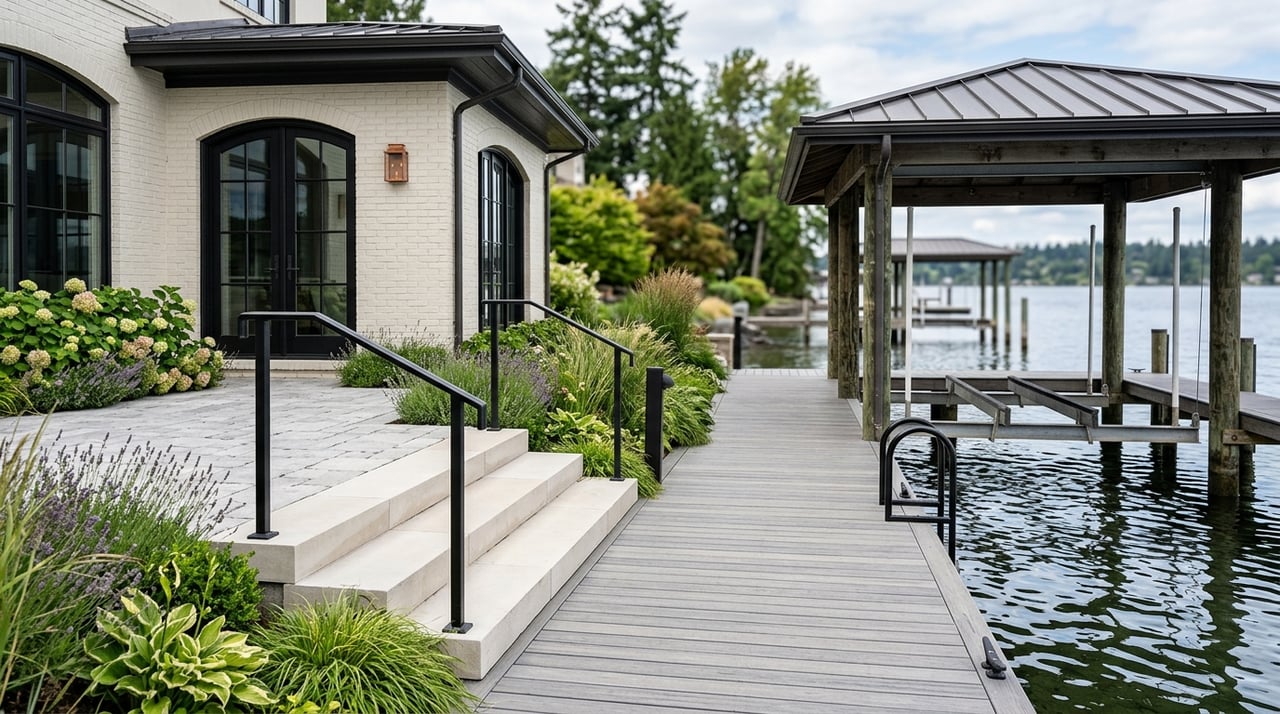
For waterfront property on Lake Norman, Duke Energy adds another layer that buyers should not ignore. It oversees permitting for certain shoreline features, including items like docks, piers, landscaping, and vegetation work. If a home includes private water access, dock condition and shoreline approvals are part of the property’s operating profile, not just bonus features.
Duke Energy also notes that unsafe shoreline structures may be flagged for repair or removal if they are not maintained. That means a dock, boathouse, seawall, or other shoreline improvement can create future costs that affect your rental return. A smart buyer treats these items with the same level of attention as the roof, HVAC, or foundation.
Verify Septic and Well Capacity
Not every Sherrills Ford lake home is served by public utilities, so septic and well review should happen early. Catawba County Environmental Health handles septic permitting and supervision where sewer lines are not available. Permit applications require documentation such as site plans or GIS printouts along with zoning approval.
For a long-term rental, septic and well details can affect occupancy, maintenance planning, and day-to-day use. You do not want to assume a property can comfortably support your intended lease setup without checking records first. For lake homes in particular, utility capacity should be part of your basic due diligence.
Build a Lease Around Waterfront Realities
A standard lease may not cover the day-to-day realities of a lake property very well. Long-term leases for waterfront homes should clearly assign responsibilities for items like dock use, shoreline cleanup, landscaping, storm preparation, trash handling, pest control, HVAC servicing, and septic-related care.
This is especially important because waterfront homes usually have more exterior assets and more weather exposure than inland homes. If expectations are vague, small problems can turn into expensive disputes. Clear lease language helps protect the property and gives both sides a better understanding of who handles what.
Understand North Carolina Deposit Rules
Security deposit rules in North Carolina are specific, and they should be built into your rental planning from the start. For residential rentals, the deposit cap is two weeks’ rent for week-to-week tenancies, one and one-half months’ rent for month-to-month tenancies, and two months’ rent for longer tenancies.
The landlord must place the deposit in a trust account or post an approved bond. The tenant must be notified of the bank or bond information within 30 days after the lease begins. At move-out, deductions must be itemized within 30 days, or if the final damage amount is not yet known, an interim accounting is due within 30 days and a final accounting within 60 days.
Plan for Documentation and Repairs
Good documentation is essential for any rental, but it matters even more with lake homes. Moisture issues, shoreline wear, dock components, erosion, and exterior damage can be harder to evaluate than ordinary interior wear and tear. Written repair requests, receipts, service records, and move-in and move-out condition notes can help you stay organized if problems arise.
North Carolina guidance also emphasizes that landlords must keep the property in good and safe working order. In practical terms, that means your systems for maintenance response should be just as strong as your pricing strategy. If you want a smoother ownership experience, strong documentation is one of the simplest tools you can use.
Know When Property Management Requires Licensing
If you do not plan to self-manage, confirm that any person managing the property for compensation is properly licensed in North Carolina. The North Carolina Real Estate Commission states that advertising, marketing, and managing property belonging to another for compensation requires an active real estate license. It also requires a signed written property management agreement.
This matters for out-of-area buyers and second-home owners who want a more hands-off setup. A qualified, licensed manager can help you handle leasing logistics and ongoing oversight within North Carolina’s rules. Before you hire anyone, make sure the structure is clear and the agreement is in writing.
Budget for Lake-Specific Wear and Tear
Lake homes often face a faster maintenance cycle than inland properties. Shoreline structures need regular inspection, and Duke Energy’s inspection program looks for obvious problems such as missing planks, poor flotation, or structural failure. If a structure becomes unsafe, the owner may be required to repair or remove it at their own expense.
High water and boat wake can also increase erosion and stress on docks and boathouses. Even if the interior of the home is in good shape, exterior lake assets can require ongoing attention. When you evaluate rental income potential, those maintenance realities need to be part of the numbers.
Review Flood Risk Separately
Flood exposure is another area that deserves its own review. Flood insurance is often separate from standard homeowners coverage, and ordinary coverage may exclude flood damage. For a Sherrills Ford lake home, flood-related cost should be treated as part of the true carrying cost of the property.
Even if a home does not appear to sit in an obvious flood-prone area, you should still review the flood map carefully. Flood risk can affect monthly cost, financing decisions, and long-term resale appeal. It is one of those items that can change the economics of a property more than buyers expect.
Think About Resale From Day One
A rental strategy should never ignore the eventual exit plan. In North Carolina, when a property is sold, disclosure forms can reveal issues tied to restrictive covenants, assessments, transfer fees, and association-related disputes. For a lake home, deferred maintenance involving docks, erosion, septic limitations, or flood exposure can also narrow the buyer pool later.
If you may resell in the future, it helps to choose a property you can maintain well and explain easily. A home that supports both rental use and strong future marketability is often a safer long-term choice. In this part of Lake Norman, that kind of planning can make a real difference.
Use a Practical Due Diligence Checklist
Before you count on long-term rental income from a Sherrills Ford lake home, it helps to verify the key documents and approvals upfront. A careful review can protect your budget and reduce surprises after closing.
Here is a smart starting checklist:
- Review the title file
- Read HOA documents and recorded covenants
- Check flood map status and insurance implications
- Verify septic permits and well records, if applicable
- Confirm any Duke Energy shoreline approvals
- Compare expected rent against insurance, maintenance, and compliance costs
- Coordinate with a North Carolina real estate attorney and other transaction professionals as needed
Buying a lake home with rental potential can be a smart lifestyle and investment move, but the best outcomes usually come from careful planning. In Sherrills Ford, the details behind the dock, shoreline, utilities, and lease structure matter just as much as the home itself. If you want local insight on how to evaluate waterfront homes with both lifestyle and long-term value in mind, Luxe Realty Group is here to help.
FAQs
What should you review before renting out a Sherrills Ford lake home?
- You should review landlord-tenant rules, HOA or covenant restrictions, flood map status, septic and well records, and any shoreline permits or approvals tied to the property.
Do Lake Norman waterfront homes in Sherrills Ford have extra shoreline rules?
- Yes. Duke Energy oversees certain shoreline permitting and maintenance issues for Lake Norman properties, including some docks, piers, landscaping, and vegetation work.
Can septic capacity affect a long-term rental in Sherrills Ford?
- Yes. If the home is not on public sewer, septic approvals and system capacity can affect occupancy and how practical the home is for full-time rental use.
What are the North Carolina security deposit limits for long-term rentals?
- For longer tenancies, North Carolina caps the residential security deposit at two months’ rent, with separate limits for week-to-week and month-to-month tenancies.
Do you need a licensed property manager for a Sherrills Ford rental home?
- If someone is managing, advertising, or marketing property belonging to another for compensation in North Carolina, that person must have an active real estate license and a written management agreement.
Why does flood risk matter for Sherrills Ford lake homes?
- Flood risk can affect insurance cost, carrying cost, financing, and future resale appeal, and flood damage is often not covered under a standard homeowners policy.