If you love the idea of stepping from your kitchen to a covered porch with fairway views, you’re not alone. Golf-course living in Huntersville blends outdoor fun with polished, easy everyday life. In this guide, you’ll learn the key home features to prioritize, how to weigh lot orientation and course adjacency, and which HOA, club, and inspection details to verify before you buy. Let’s dive in.
Huntersville golf lifestyle at a glance
Huntersville sits in the Lake Norman corridor, with communities connected to private and semi-private clubs. You’ll see full-service private experiences at places like NorthStone Country Club and semi-private models such as Skybrook Golf Club. Birkdale Golf Club has historically operated as a daily-fee course, and portions of that footprint have been under redevelopment discussion, so access and configuration may evolve.
Homes tied to a golf lifestyle often command a premium compared with other local neighborhoods. To set your expectations, review active and recent sales data and days on market by neighborhood. You can start with the Huntersville market overview, then have your agent pull neighborhood-level comps.
Floor plans that live well
Open kitchen and great room
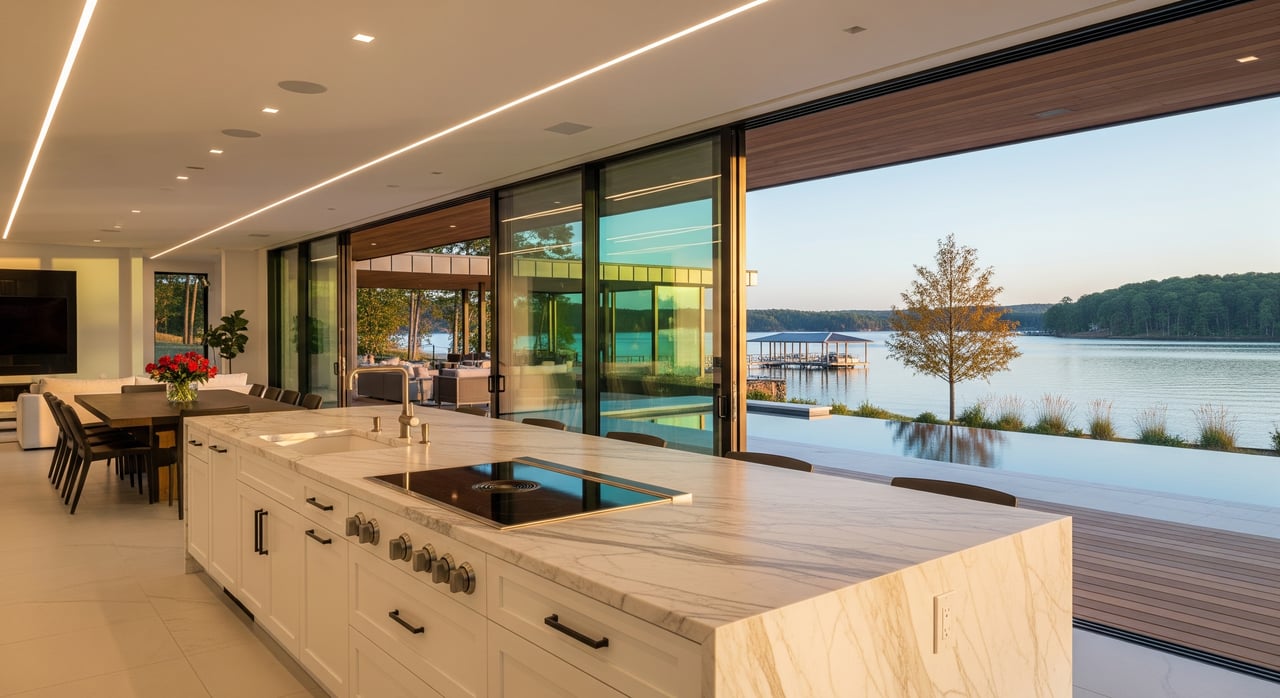
Prioritize an open kitchen-to-great-room plan with seating at a large island. It makes casual entertaining effortless and keeps you connected to guests and family. Look for clear sightlines from the kitchen to the backyard or course so you never miss a great shot. National buyer research highlights this layout as a top preference, with outdoor access and flexible dining spaces ranking high too, according to the NAHB’s latest findings.
Main-level suite and flex rooms
A main-level guest or owner suite is a smart pick for multigenerational living and for visiting golf partners. Bonus rooms give you options for a home office, fitness, or media space. If you host often, a full bath near the main-level bedroom is a plus.
Mudroom, storage, and garage capacity
In golf-focused neighborhoods, storage is not a nice-to-have, it is a must. Look for a dedicated mudroom, built-in cubbies, and an oversized 2-car or 3-car garage with room for clubs, a cart, and seasonal gear. These practical features are widely valued by buyers and support clean, low-stress daily life.
Outdoor living and lot orientation
Porches, patios, and outdoor kitchens
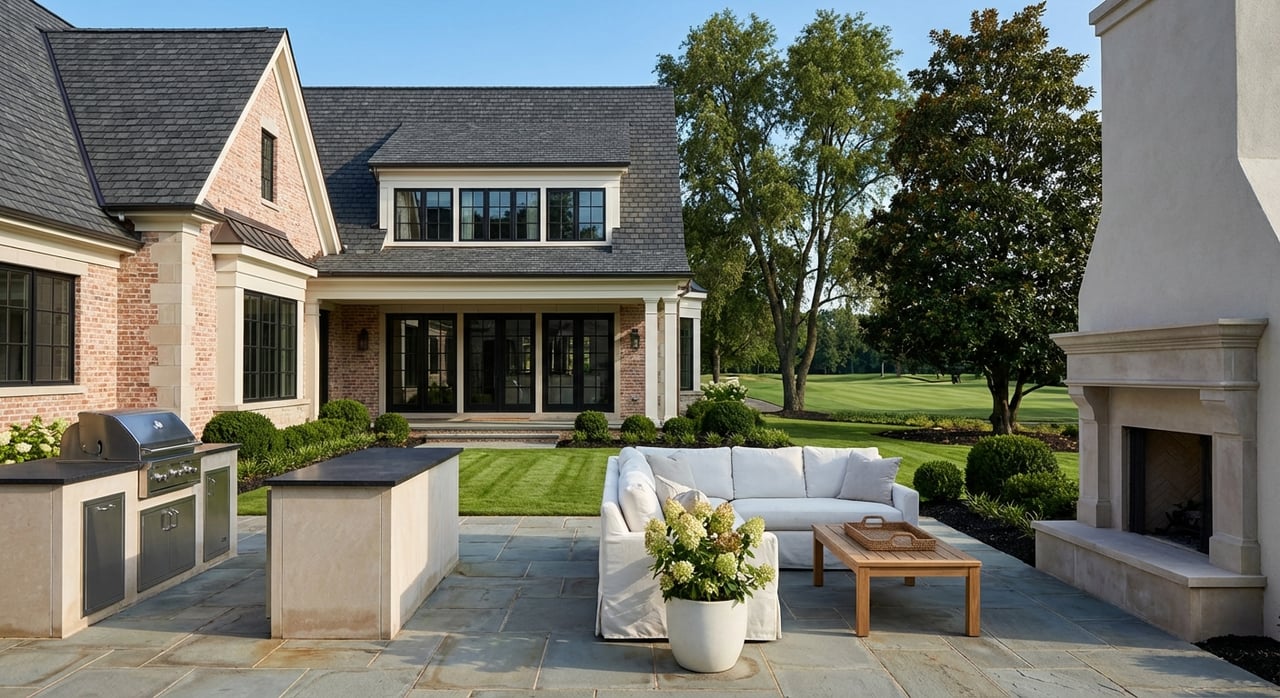
Treat outdoor spaces as an extension of the main living area. Covered or screened porches, a level patio, and a built-in grill or outdoor kitchen make hosting simple. Outdoor features like patios and decks consistently rank as top buyer wants per the NAHB study. Check how each space connects back to the kitchen and great room for easy flow.
Golf views vs privacy
Course-facing lots can offer wide views and brighter rooms. Lots that face the street may give you more privacy or shade. Walk the site at different times of day to evaluate sun exposure and sightlines from key rooms. Golf-view premiums vary by neighborhood, so compare with recent comps before you bid.
Noise and sightlines on the course
Proximity to tee boxes, greens, cart paths, and practice areas affects noise and privacy. Ask for a course map on showings so you can see where play routes fall relative to the home. Early-morning mowing or a nearby practice area may matter to you, so observe during likely activity periods.
Construction details that matter
Windows, doors, and glass exposure
Fairway-facing glass is beautiful, and it is also exposed. Inspect the age and condition of large windows and sliders, and consider double-pane or laminated options if the lot sits near common ball flight paths. Insurance may cover some damage from errant shots, but deductibles and claims history matter, as discussed in this golf-ball liability overview. Screens are a bonus on porches where you will relax most.
Roof, HVAC, and exterior materials
Ask for ages and service records on the roof, HVAC, and water heater. Brick and fiber-cement siding are typically lower maintenance than soft wood claddings. Gutters with good downspout extensions help manage runoff away from foundations and patios, which is key in communities with sloped lots.
Drainage, irrigation, and edges
Confirm that yard grades direct water away from the home, and check retaining walls for movement. If the community uses shared irrigation around common areas, clarify what the HOA maintains versus what you maintain. Inspect easements along course edges and any ponds for signs of erosion or standing water.
Club amenities and memberships
Amenity types you will see
Full-service private clubs often bundle golf with tennis or pickleball, fitness, pools, dining, and social events. NorthStone Country Club highlights year-round programming and non-equity annual memberships. Semi-private or daily-fee courses like Skybrook Golf Club typically offer practice facilities and dining, but membership is not always tied to homeownership.
Membership structures to verify
Ask if club membership is optional or required by the community’s recorded covenants. In North Carolina, planned communities operate under the Planned Community Act (Chapter 47F). Memberships may be equity or non-equity, golf or social, with initiation fees or annual dues. Fee schedules, refundability, and any assessments vary by club, so request current documents from the seller and the club.
Smart questions to ask
- Is membership optional or mandatory for owners, and where is that written?
- What are the current dues, initiation fees, and any planned capital projects?
- Are there reciprocal privileges, tenant-use rules, or homeowner discounts?
- What is the club’s pesticide and turf management policy? Ask for recent product lists.
HOA, disclosures, and assessments
Resale packets and timing
In North Carolina, associations provide resale disclosures that outline fees, unpaid assessments, and key documents. Turnaround times and fees vary by association. Review an example of what is typically included in a resale packet to help you plan your timeline and document list, such as this resale packet process overview. Build enough time into due diligence to review everything.
Covenants and ARC approvals
Exterior changes like screened porches, outdoor kitchens, or new patios may require Architectural Review Committee approval. The Planned Community Act provides the legal framework for association powers, but your recorded declaration and rules control what you can do. Get the declaration, rules, and recent minutes before you close.
Budget, reserves, and special assessments
Ask for the most recent budget, reserve study, and any minutes showing approved or proposed capital projects. A planned clubhouse renovation or pool upgrade can mean future assessments. Use these documents as contingency items and as negotiation leverage if needed.
Environmental and insurance checks
Golf-ball risk and coverage
Errant shots are a reality near active play zones. Map likely ball flight paths, then assess exposure on large windows and patios. Get a homeowners insurance quote early and ask about glass damage and deductible structures, referencing guidance like this golf-ball liability discussion.
Chemicals and water quality
A 2025 study in JAMA Network Open found an association between living near golf courses and higher odds of Parkinson disease in the study region, with pesticide exposure suggested as a possible pathway. The study is associative and calls for further research. If you are concerned, ask the club for its integrated pest management policy or recent product lists, and consider water testing when a home uses groundwater. You can read the study summary here: JAMA Network Open analysis.
Flood and shoreline permits
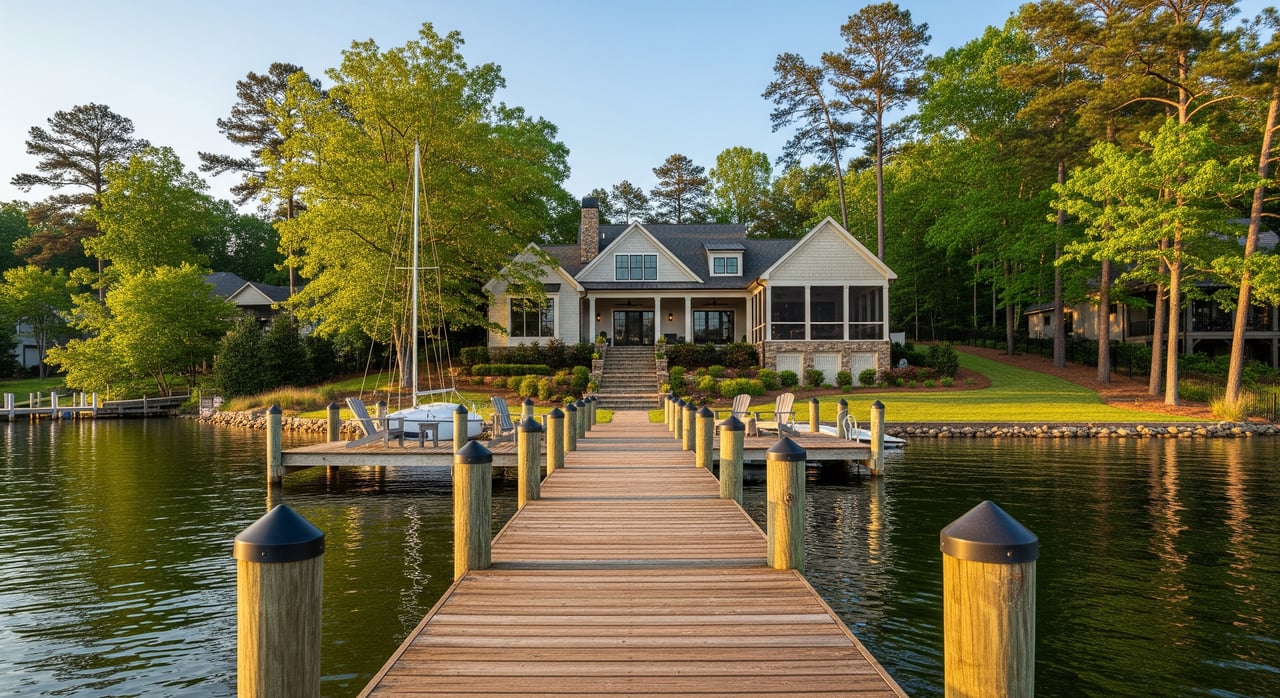
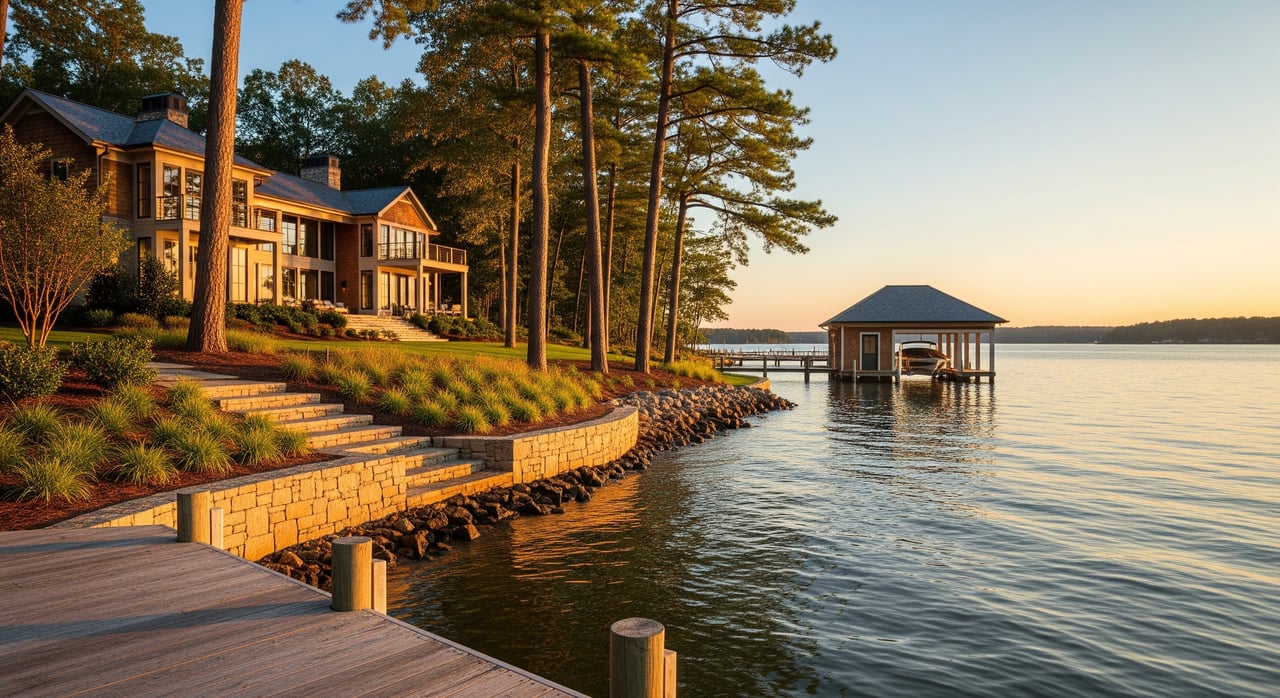
For lake-adjacent homes, verify shoreline items with Duke Energy, which manages Lake Norman permits for docks, riprap, and similar work. Confirm permit status and transfer process early in due diligence using Duke Energy’s Catawba-Wateree lake services. Also check FEMA and county maps for flood designations. Mecklenburg County mapping guidance explains how local flood updates work, so verify your lot’s status and any lender insurance requirements using this floodplain mapping guide.
Negotiation levers at offer time
Use document findings and inspection results to improve terms:
- HOA packet items like pending or approved special assessments, capital projects, or litigation.
- Big-ticket systems nearing end of life, such as roof, HVAC, and water heater.
- Drainage or erosion remediation needs along course or pond edges.
- For waterfront homes, unresolved dock or shoreline permits and transfer steps with Duke Energy.
- Insurance factors affecting affordability, including flood, wind, and glass exposure.
Resources like this resale packet overview can help you organize requests and timelines.
Your on-site showing checklist
Bring this list to each tour and note what you see:
- Floor plan flow from kitchen to great room to outdoor space; island seating and a separate dining area.
- Main-level suite and at least one flexible bonus room.
- Mudroom, built-in storage, and oversized garage capacity for clubs and gear.
- Patio or porch orientation, shade, and privacy buffers; quality of outdoor kitchen or grill.
- Proximity to tee boxes, greens, cart paths, and any practice areas. Ask for a course map.
- Window and door condition on course-facing sides; consider screen or impact upgrades.
- Roof age, gutter extensions, grading away from the foundation, and retaining wall condition.
- HVAC and water heater ages and service records.
- HOA covenants and ARC rules for planned exterior upgrades.
- Club membership type, dues, initiation fees, and any owner obligations.
- If near the lake, current dock or shoreline permits with Duke Energy and transfer steps.
- Flood zone status and any lender-required insurance.
Buying in a golf community should feel like an upgrade to your daily life. With the right plan, you can lock in the views and amenities you want while protecting your budget and future resale value. If you’re ready to tour the strongest options or want a second set of eyes on a listing, connect with Luxe Realty Group for concierge guidance tailored to Lake Norman golf and waterfront homes.
FAQs
What home features matter most in Huntersville golf communities?
- Focus on open kitchen-to-great-room flow, a main-level suite, ample storage, and outdoor spaces like covered porches and patios. These features rate highly with buyers per the NAHB study.
How do optional vs mandatory club memberships work in North Carolina?
- Membership rules live in the recorded covenants and the club contract. Under the Planned Community Act, you should review the declaration early to confirm if membership is optional or required and what fees apply.
What should I know about homes near tee boxes or greens?
- You may experience early-morning maintenance, more foot or cart traffic, and a higher chance of errant shots. Inspect window exposures and consider insurance and glass upgrades using guidance like this golf-ball risk overview.
Are home prices typically higher in Huntersville golf-course neighborhoods?
- Golf-centered areas often show higher medians compared with other parts of town, though it varies by neighborhood and home type. Start with the Huntersville market overview and refine with neighborhood comps.
What inspections are critical for course-edge homes?
- Prioritize roof, HVAC, grading and drainage, retaining walls, and the condition of windows and doors facing the course. Verify HOA rules, resale packets, and any planned assessments with a resource like this resale packet process overview.
If I buy near Lake Norman, what permits should I verify?
- Confirm any dock or shoreline permits with Duke Energy and ask about transfer steps before closing using this lake services resource. Also check flood maps to see if your lender will require insurance.