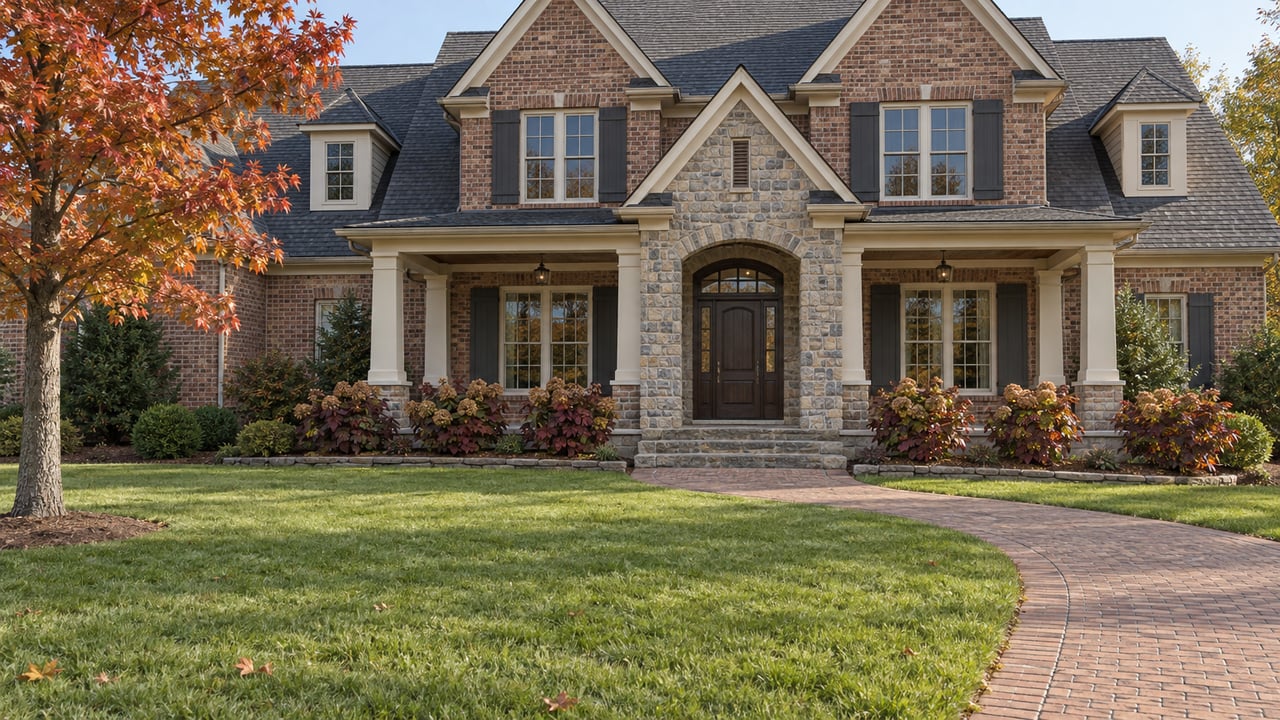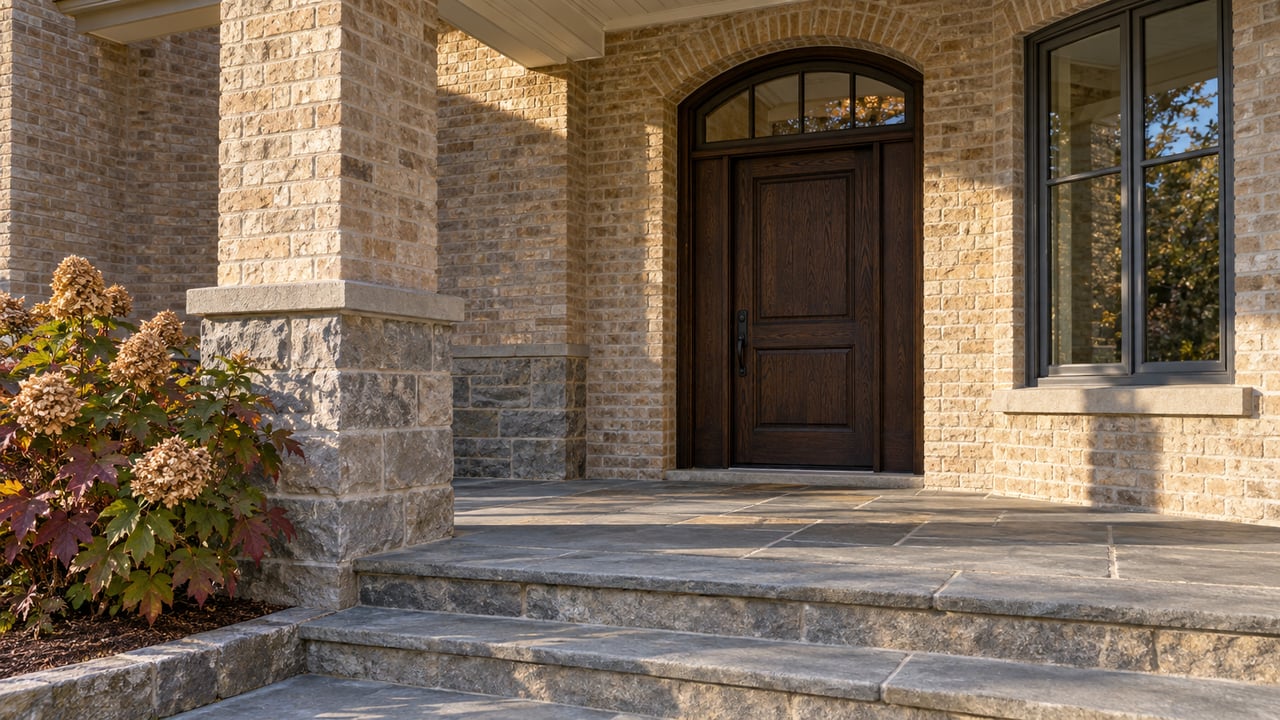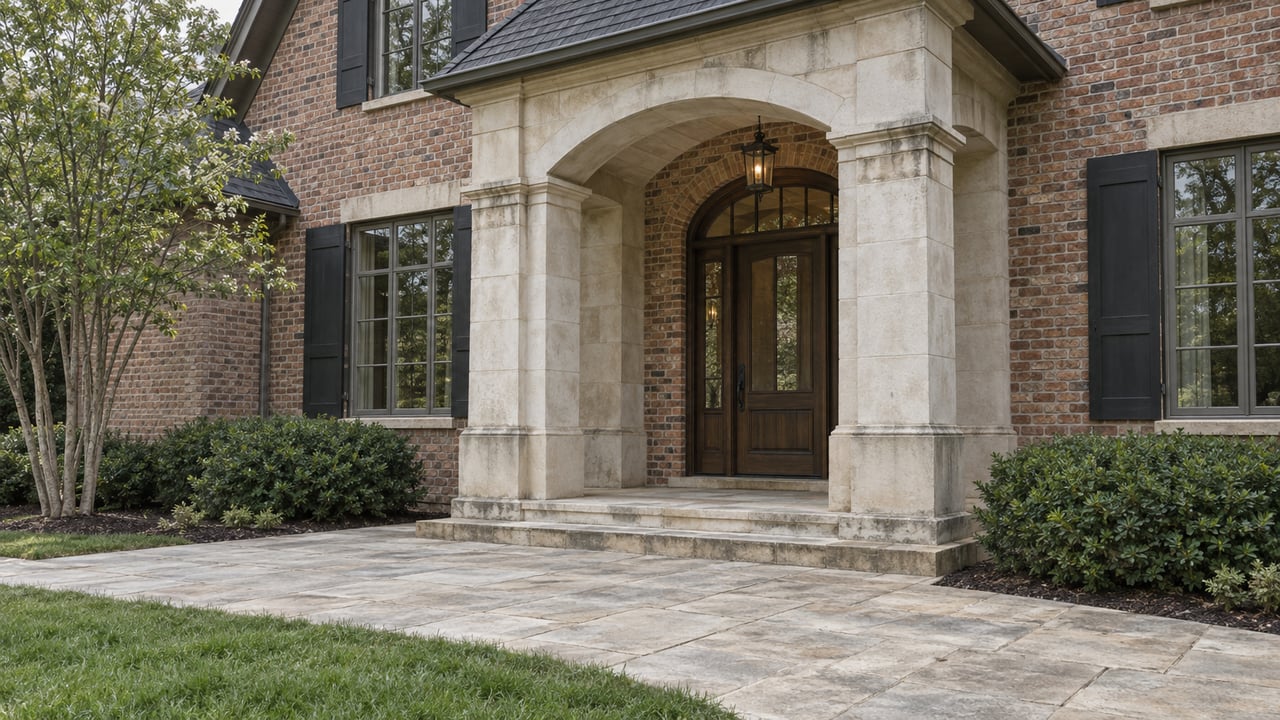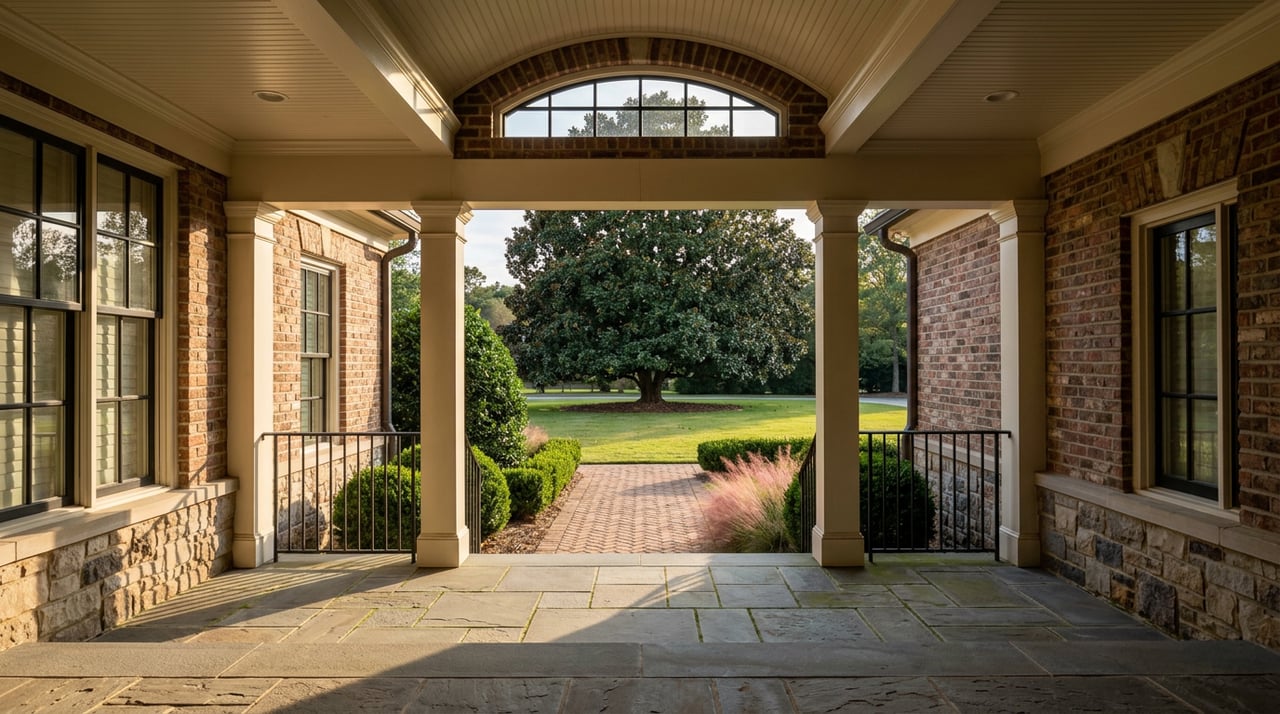
A buyer comparing Lake Norman towns this summer runs into a puzzle fast. Davidson doesn't have the most shoreline. It doesn't have the newest inventory. It isn't the easiest commute to Charlotte. And yet it consistently prices higher per square foot than its neighbors along the same lake. As of Movoto's August 2026 figures, homes listed in Davidson carried a median price of $737,000, or $322 per square foot, up 14 percent year over year. Compare that to Redfin's snapshot from that same week, taken as MLS data updated on August 7, 2026: Cornelius listings ran a median of $608,500, and Huntersville came in at $577,174.
That's not a rounding difference. That's a gap of roughly $130,000 to $160,000 for towns sitting a few exits apart on I-77, sharing the same lake, the same general climate, and often the same commute times. Something specific is driving that spread, and it isn't the water.
The Case Against the Obvious Answer
The instinct is to credit the college, or the walkable downtown, or some vague sense of prestige. Those things are real, but they're symptoms, not causes. Cornelius has the marinas and the deeper concentration of direct boat access along its shoreline. Huntersville has the newer subdivisions, the bigger lot sizes in places, and the broader mix of price points. If lake access or square footage were the deciding factor, Cornelius would likely command the premium, not Davidson.
What Davidson has that the other two don't is a thirty-year-old regulatory decision that never gets mentioned in a listing description.
The 1995 Bet
Groundwork NWA's case study of Davidson recounts that, in the early 1990s, as Charlotte's growth pushed north along I-77, Davidson's town leadership held a series of community meetings to decide what kind of place they wanted to become. The result was the Davidson Land Plan of 1995, which introduced something most small towns in the Carolinas weren't using at the time: a form-based code. Instead of zoning by use the way most municipalities do, Davidson regulates by the form of a building first, its orientation on the lot, its relationship to the street, its architecture, and only secondarily by what happens inside it. The town's own planning department describes this distinction directly, using the term "Planning Areas" instead of conventional zoning to describe how a property's development potential gets classified.
The town tested this approach early. In 1998, a developer working on what became the St. Albans neighborhood presented two competing designs: a conventional subdivision layout and a form-based alternative designed by the planning firm Dover Kohl, built around townhomes, connected streets, and integrated public space. The town let residents vote. They chose the form-based version. A year later, the Davidson Bay project applied the same code to a mixed-income development that included affordable units and small-format commercial space. More recently, the Circles @ 30 project extended that same logic to an infill site next to the interstate, proving the code could work even on a parcel with highway frontage.
The throughline across all three: none of them look like a typical Charlotte-exurb subdivision. Narrower lots. Shorter setbacks. Buildings pulled close to the street. Housing types mixed within the same block instead of segregated by pod. That's a deliberate constraint on how much conventional, land-hungry development can happen inside town limits, and constraints on supply show up in price.
The Number That Should Make You Pause
Here's where it gets interesting for anyone actually comparing cost across towns. Redfin's data for the three months ending May 2026 shows Davidson's median sale price at $685,000, down 2.2 percent from the same period a year earlier. Falling prices sound like the opposite of a scarcity story. But look at the per-square-foot figure from that same window: $317, up 5.1 percent year over year. Homes were also taking longer to sell, a median of 63 days compared to 48 the year before, and fewer of them were closing at all, 75 sales in May 2026 versus 101 in May 2025.
Falling median price, rising price per square foot, fewer transactions, slower pace. That combination only makes sense if the mix of what's selling is shifting toward smaller units, exactly the kind of townhomes and infill product the form-based code was designed to produce in places like Davidson Bay and Circles @ 30. The overall price tag looks softer because more of what's changing hands is compact by design. But the cost of that space, measured the only way that's actually comparable across a market, keeps climbing.
That's the detail a median-price headline hides. If you're pricing out a move between Davidson, Cornelius, and Huntersville using the top-line number alone, you're not comparing like to like. You're comparing a market where more of the inventory is smaller, tightly-sited product against markets where it isn't.
What This Means If You're Actually Comparing Towns
If your calculus has been "Davidson costs more, so it must deliver more house," the form-based code complicates that. What it reliably delivers is proximity, walkability to Main Street and the Town Green, and a ceiling on how much new conventional-style supply can get built to compete with existing inventory. What it doesn't guarantee is more square footage for your dollar. A buyer comparing a 2,400-square-foot home in Davidson to a similarly priced 3,200-square-foot home in Huntersville isn't looking at two versions of the same trade. They're looking at two different products shaped by two different regulatory environments.
For a relocating family or an investor thinking in terms of resale, that scarcity is durable rather than cyclical. It won't loosen when mortgage rates ease, because it isn't a financing problem. It's a land-use decision baked into the town's ordinance since 1995, reaffirmed by three decades of infill projects built on the same template.
The Detail New-Construction Buyers Often Miss
There's one more piece of the code worth knowing if you're looking at anything newly built inside town limits. In 2001, Davidson adopted what was, at the time, North Carolina's first inclusionary zoning ordinance, requiring that 12.5 percent of new for-sale units in qualifying developments be priced as affordable based on area median income. Legal challenges followed, since the state hadn't explicitly authorized the requirement, and the town responded by adding flexibility: a builder can now pay a fee, currently $50,000 per unit, to opt out of building the affordable unit itself. That fee flows into a town fund supporting down payment assistance and other housing programs.
Practically, that means the price of a new construction listing inside a Davidson Planning Area may already reflect a builder's decision about how to satisfy, or buy out of, that requirement. It's a cost structure Cornelius and Huntersville buyers typically don't have to think about, and it's worth a direct question to the listing agent on any new-build contract: was this unit built under the inclusionary requirement, or did the developer pay the fee.
A Premium With a Paper Trail
None of this means Davidson is overpriced. It means the premium has an origin story that shows up in a planning ordinance rather than a brochure. A buyer who understands that the price gap between Davidson and its neighbors traces back to a 1995 land-use choice, not a 2026 market mood, is in a better position to judge whether that premium is worth paying and what it's actually buying.
Two quick questions worth asking before you commit:
Does this mean Davidson prices will keep outpacing Cornelius and Huntersville indefinitely? The mechanism behind the gap is structural rather than seasonal, so it's more durable than typical market swings, though local supply decisions can still shift the picture over time as infill projects like Circles @ 30 continue to add small-format inventory.
Could Cornelius or Huntersville adopt something similar and close the gap? Either town could choose to, but neither currently uses a form-based code at the scale Davidson does, and a change like that would take years of the same kind of community process Davidson went through starting in the early 1990s.
If you're weighing a move across the Lake Norman corridor and want someone who can walk the actual Planning Area map with you before you write an offer, that's exactly the kind of homework LUXE Realty Group does before showing a single listing. Start Your Lake Life — schedule a consultation and let's figure out what your money actually buys, town by town.
This article is general information, not legal, tax or financial advice. Consult a qualified professional about your situation.