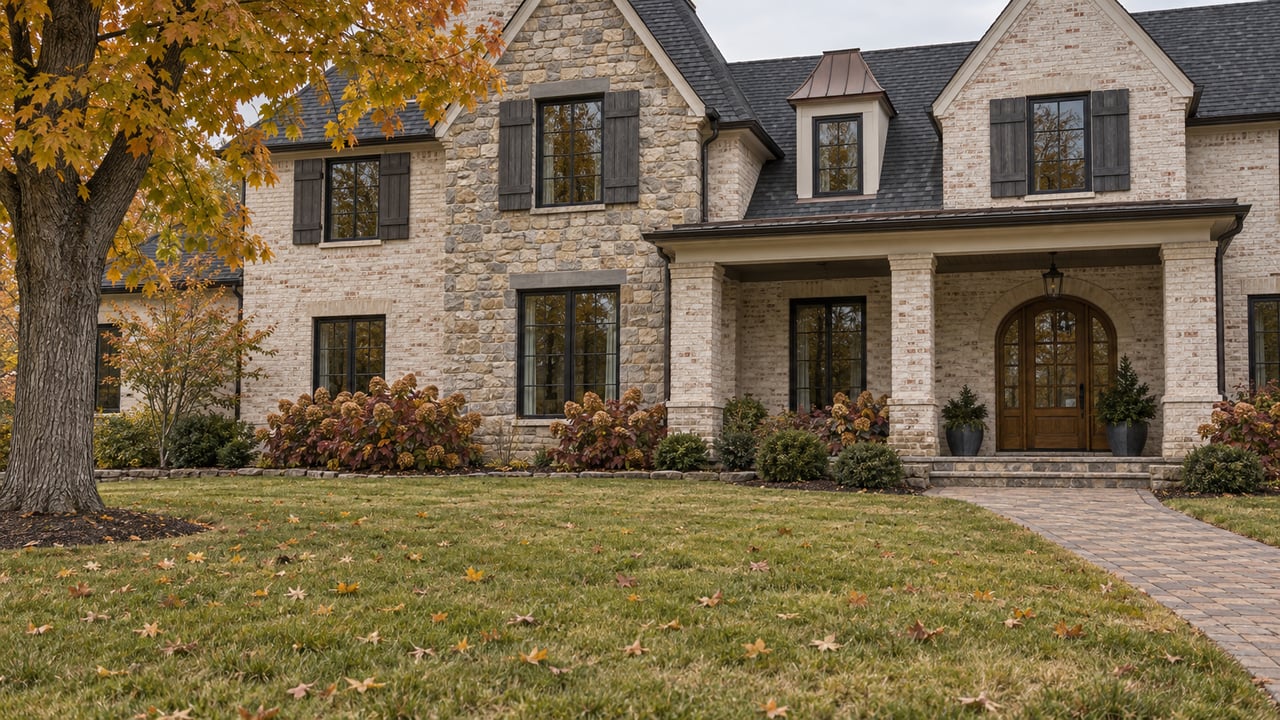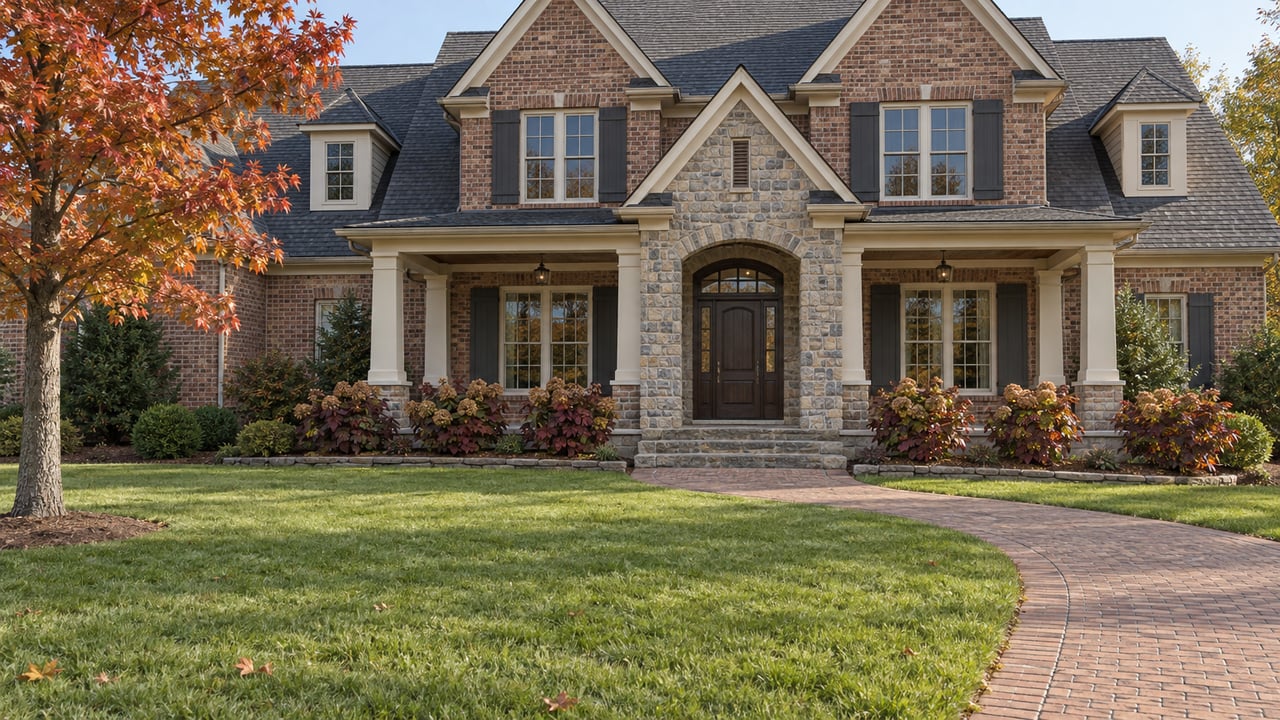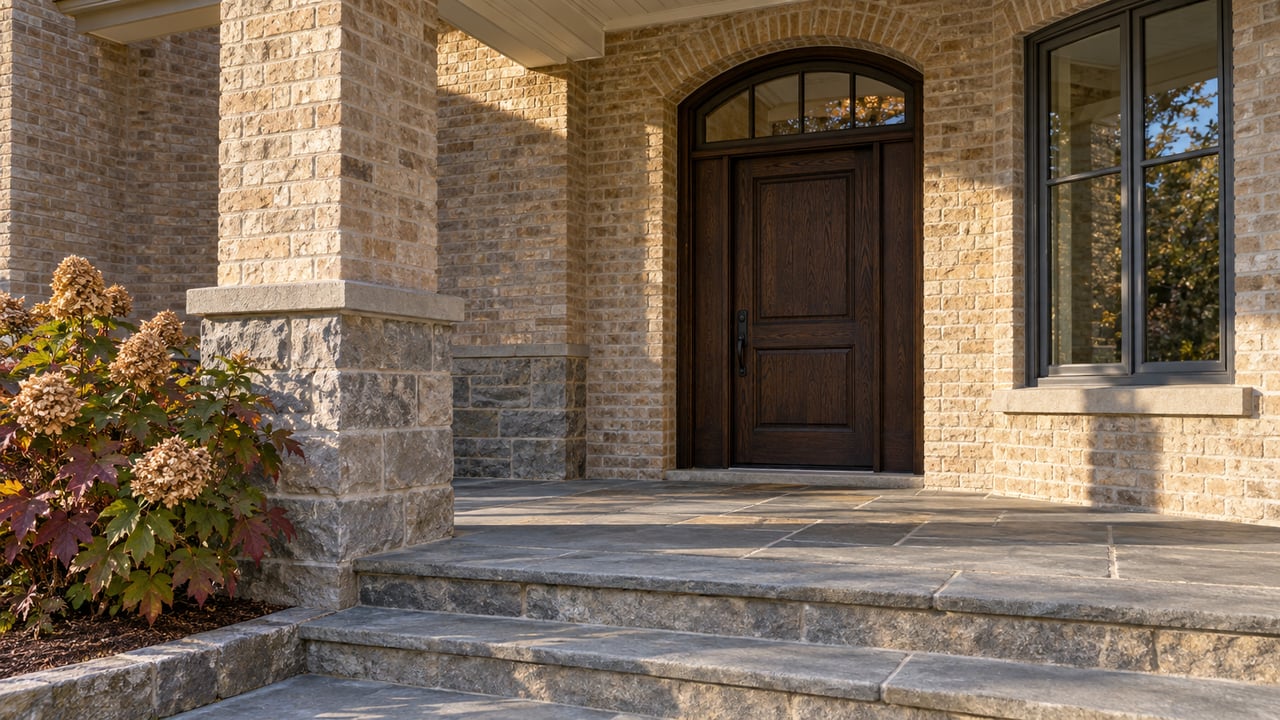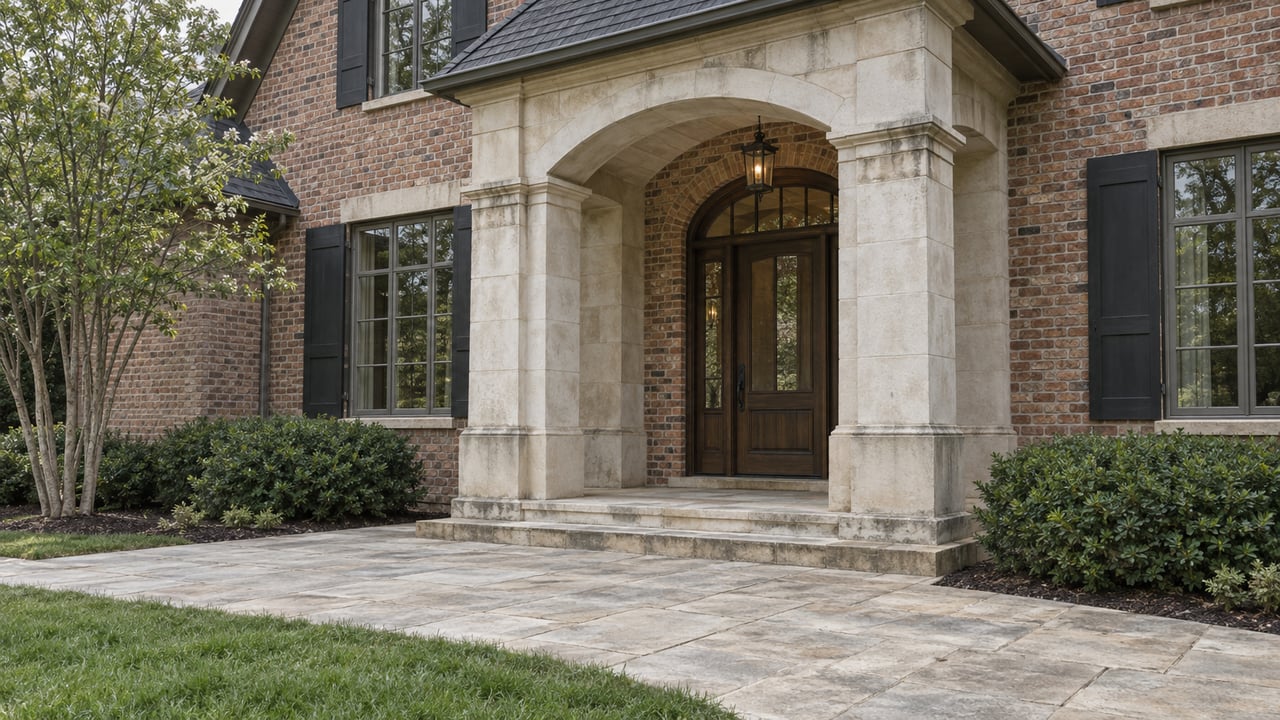
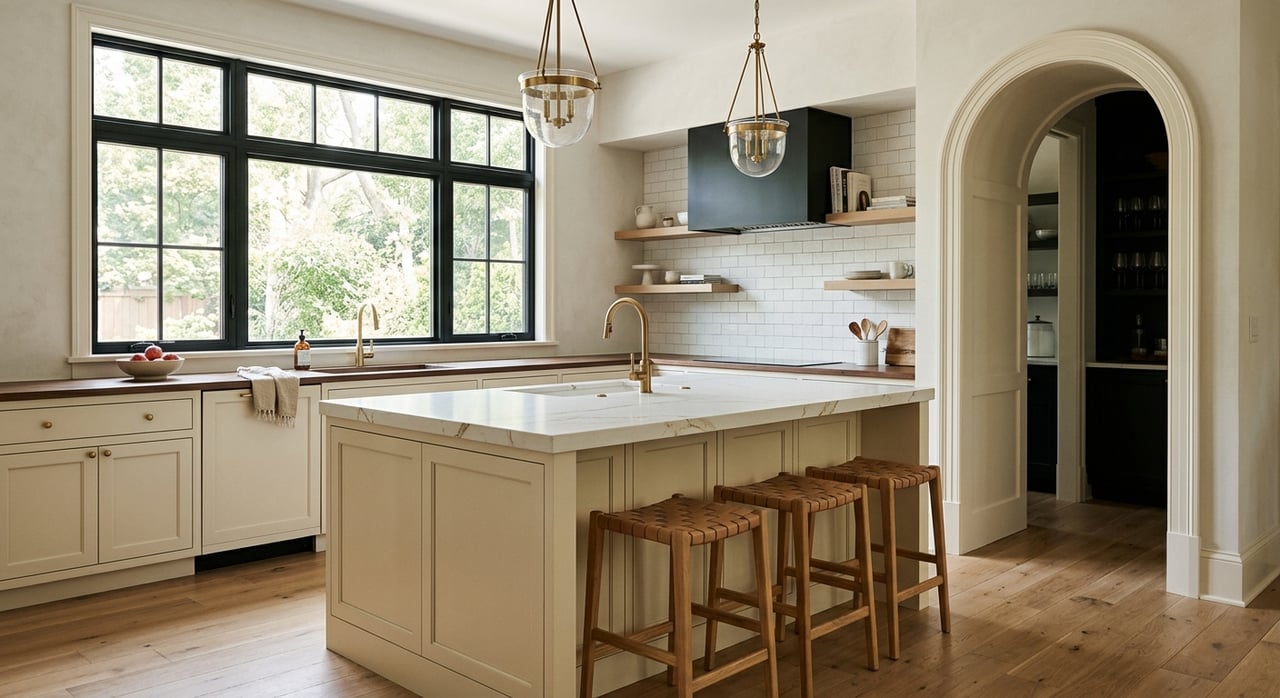
Wondering whether a luxury new construction home in Denver, NC is really worth the premium? In a Lake Norman market where lifestyle, views, and long-term value all matter, it pays to look beyond the model-home finish and ask better questions. If you are considering a custom build or a newly built spec home, this guide will help you evaluate the details that can shape your experience, costs, and resale potential. Let’s dive in.
Why Denver New Construction Stands Out
Denver sits in a Lake Norman lifestyle market, which gives new construction here a different feel than many suburban searches. Buyers are often weighing not just square footage and finishes, but also shoreline access, outdoor recreation, lot position, and how the home supports the way they want to live.
That lifestyle backdrop matters. Lake Norman is the largest manmade lake in North Carolina, with 520 miles of shoreline, and Lake Norman State Park highlights the kind of recreation many buyers want nearby, including trails, boat rentals, a swim beach, and a boat ramp. In other words, your home search here is often tied to a broader lake-centered lifestyle.
Market pricing also helps set expectations. Redfin’s June 2026 Denver data show a median sale price of $493,262, with 88 median days on market, while 49 new homes were listed at a median price of $509K. Because that compares a sale metric to a listing metric, it does not prove a hard pricing rule, but it does suggest that new construction may be positioned at a slight premium in Denver.
Verify the Builder First
In luxury new construction, the builder’s reputation should be one of your first checkpoints. Beautiful finishes can catch your eye, but the quality behind the walls, the project management process, and the builder’s consistency often matter more over time.
North Carolina requires a state general contractor license for projects valued at $40,000 or more. The state licensing board allows consumers to search by name, number, county, or address, which makes license verification a practical first step rather than a box to check later.
You should also ask who is involved in the project. That includes the architect, builder, subcontractors, and engineers. If the community is partially built, ask for references from prior buyers and, if possible, speak with current residents about their experience with the builder and the finished product.
Compare Standard Features and Upgrades
Luxury pricing does not always mean every finish you see is included in the base price. One of the smartest things you can do is ask for the sheet that outlines standard inclusions and the separate upgrade list.
This helps you compare homes more accurately and avoid surprises. Items like flooring, lighting, tile, countertops, cabinets, and vanities may still be selectable in a spec home if you get involved early enough in the build.
It is also wise to think about where your money goes. Structural additions are usually more expensive to add later than cosmetic changes. If you are deciding between layout changes and decorative upgrades, it often makes sense to prioritize the features that are hardest to retrofit.
Questions to ask about finishes
- What features are standard in this price?
- Which items in the model are upgrades?
- Are appliance packages included?
- What selections can still be changed at this stage?
- Which upgrades affect structure versus cosmetics?
Evaluate the Lot as Carefully as the House
In Denver, the lot can be just as important as the home itself. This is especially true if you are looking at lake-view, waterfront, or homesites that market a strong outdoor lifestyle.
A well-designed home on a poorly understood lot can lead to disappointment later. Views, privacy, drainage, future outdoor plans, and even where the house sits on the property all deserve close review before you move forward.
For some buyers, the lot is what creates long-term value. In a Lake Norman area search, your orientation to water, outdoor living potential, and usable yard space can affect both enjoyment and resale appeal.
Watch lake setbacks and build limits
If you are considering a lake-view or waterfront property, confirm the lot position against local setback rules. Lincoln County’s residential permit packet states that lots created after June 30, 2001 must observe a 50-foot setback from the 760-foot elevation tied to Catawba River riparian buffer rules.
That rule can affect how close certain improvements can be placed in relation to the lake area. It is one reason buyers should review the lot carefully before assuming a future pool, patio expansion, or other outdoor feature will fit exactly where they imagine.
Understand shoreline access separately
A waterfront address does not automatically answer every question about shoreline use. Shoreline access is regulated separately from the house itself.
The Lake Norman Marine Commission directs owners to Duke Energy Lake Use Permitting for docks, piers, shoreline management, and dredging. Duke Energy also inspects shoreline structures and can require repair or removal when unsafe, so it is important to confirm what exists, what is permitted, and what may require future attention.
Know the Utility and Permit Basics
Luxury new construction can involve details that are less visible during a showing but very important during the transaction. Utility setup, permitting, and site approvals are part of that picture.
Lincoln County’s residential permit packet says a pre-permit letter and property map are needed for well and septic approval. It also notes that public-utility projects require city or county coordination, which can affect planning and timeline expectations depending on the property.
Permit timing matters too. The county notes that permit review is typically about 5 to 7 business days. That does not mean the entire build moves quickly, but it does give you a more grounded view of one piece of the process.
Be Realistic About the Timeline
One of the biggest differences between new construction and resale is timing. If you need to move quickly, a resale home may offer a more immediate path, while a custom or semi-custom build usually requires more patience.
According to NAR, custom-home design commonly takes three to six months, and construction usually takes at least 12 to 16 months. A spec home can shorten that timeline, but your ability to personalize finishes and features often depends on how early you enter the process.
You should also understand how construction progress connects to county requirements. Lincoln County says a permit can expire after six months if no inspections have been scheduled and completed to verify work has started. For extended projects, yearly documentation may also be required.
That is another reason communication matters. In a luxury build, clear updates on milestones, selections, inspections, and permit status can make the process feel much more manageable.
Do Not Skip Inspections
A new home may be brand new, but that does not mean it is flawless. Due diligence still matters, especially when you are making a high-value purchase.
NAR says a home inspection is optional but can be written into the contract as a contingency. For new construction, buyers may also want phase inspections, including one when the foundation is poured and another before the walls are sealed.
These checks can be valuable because inspectors commonly flag structural or foundation problems, improper drainage, faulty wiring, HVAC issues, and safety items like missing smoke or carbon-monoxide alarms. Even in luxury construction, inspections can help you catch issues early, when they are often easier to address.
Smart inspection points for new builds
- Foundation stage
- Pre-drywall stage
- Final walkthrough stage
- Any reinspection needed after repairs
Read the Warranty With Care
Builder warranties can provide peace of mind, but they should never replace careful review and inspection. You need to understand what is covered, how long coverage lasts, and what is excluded.
Many new homes include a builder warranty that may last from six months to two years, with some major structural defect coverage extending up to 10 years. At the same time, common exclusions can include appliances, weather-related damage, and issues caused by the homeowner.
That means you should read the warranty terms closely before closing. A warranty is helpful, but it is not a blanket promise that every issue will be covered.
New Construction vs. Resale in Denver
For many buyers, the choice is not just between two homes. It is between two paths: new construction or resale.
New construction can offer customization, a fresh layout, and warranty protection. Resale homes can offer a faster move, more established settings, and in some cases less uncertainty around construction timing.
Neither path is automatically better. The right choice depends on your timeline, lifestyle goals, appetite for decisions, and how important customization is to you.
| Factor | New Construction | Resale Home |
|---|---|---|
| Timeline | Often longer, especially for custom builds | Usually more immediate |
| Customization | Stronger, especially early in the process | Limited unless you renovate |
| Warranty | Often included with limits | Usually no builder warranty |
| Due diligence | Still important, including inspections | Important, often focused on age and condition |
What Luxury Buyers Should Prioritize Most
When you tour luxury new construction in Denver, it helps to stay focused on the factors that have the biggest long-term impact. The most beautiful kitchen in the world will not fix a weak lot, a vague upgrade structure, or an unclear shoreline situation.
Start with the builder, then the lot, then the construction and warranty details. After that, evaluate how well the home fits your lifestyle, whether that means lake access, outdoor entertaining, privacy, or a layout that supports the way you live.
In a market like Denver, luxury is not just about finishes. It is about buying with clarity so your home supports both your day-to-day life and your long-term investment.
If you are weighing luxury new construction in Denver or anywhere around Lake Norman, having local guidance can make the process much more strategic. The team at Luxe Realty Group can help you evaluate builders, lots, lifestyle fit, and the details that matter before you move forward.
FAQs
What should you evaluate first in Denver, NC luxury new construction?
- Start with the builder’s license, reputation, references, and team, then review the lot, standard features, upgrades, timeline, inspections, and warranty terms.
How long can a custom luxury home take to build in Denver, NC?
- Custom-home design commonly takes three to six months, and construction usually takes at least 12 to 16 months, while spec homes may move faster.
Do new construction homes in Denver, NC still need inspections?
- Yes. Buyers may want inspections at the foundation stage, before walls are sealed, and again before closing because new homes can still have structural, drainage, wiring, HVAC, or safety issues.
What should waterfront buyers confirm in Denver, NC?
- You should confirm lake-related setback rules, understand that shoreline access is regulated separately from the house, and verify any dock, pier, or shoreline permissions.
Are builder warranties enough protection for Denver, NC new homes?
- No. Builder warranties can help, but they often have time limits and exclusions, so you should still complete inspections and review warranty terms carefully.